The 12-Year Violet Awakening: Neelakurinji Blooms Across Munnar Grasslands Amid Regeneration Fragility and Legal Scrutiny

MUNNAR, KERALA, INDIA - SEPTEMBER 2026: A sweeping panoramic vista of the high-altitude Western Ghats grasslands carpeted in violet blooms during the 12-year cyclical Neelakurinji (Strobilanthes kunthiana) mass flowering. Photo: Shanavas Karimattam / Channel Today News.

MUNNAR | KERALA | INDIA ( Sep 06 ): After a twelve-year interlude, the mist-clad montane grasslands of the Western Ghats have surrendered to a sweeping purple transformation. The cyclical blossoming of Strobilanthes kunthiana—the famed Neelakurinji—has turned the ridgelines of Munnar into an expansive canvas of lavender-blue hues. While the phenomenon has reignited global botanical intrigue and unlocked regulated trekking corridors across private plantations and reserve ranges, the 2026 event arrives under unprecedented ecological vulnerability and strict wildlife policing. Neelakurinji Bloom Munnar 2026
The 2026 Flowering Cycle: Chokramudi to Korandakad
Unlike the protected borders of the Eravikulam National Park—which follows a separate cycle last recorded in 2018 and scheduled next for 2030—the current 2026 manifestation spans unprotected highland zones:
- The Epicenters: Mass blossoms have surfaced across Korandakad near Mattupetty (within the Kanan Devan Hills Plantations area) at an elevation of 6,000 feet above sea level, extending toward Chokramudi and Chinnakanal.
- Progressive Elevation: According to forest conservators, the flowering commenced at lower elevations in late August and is advancing up the escarpments toward Meesapulimala, mirroring the historical 2014 cycle.
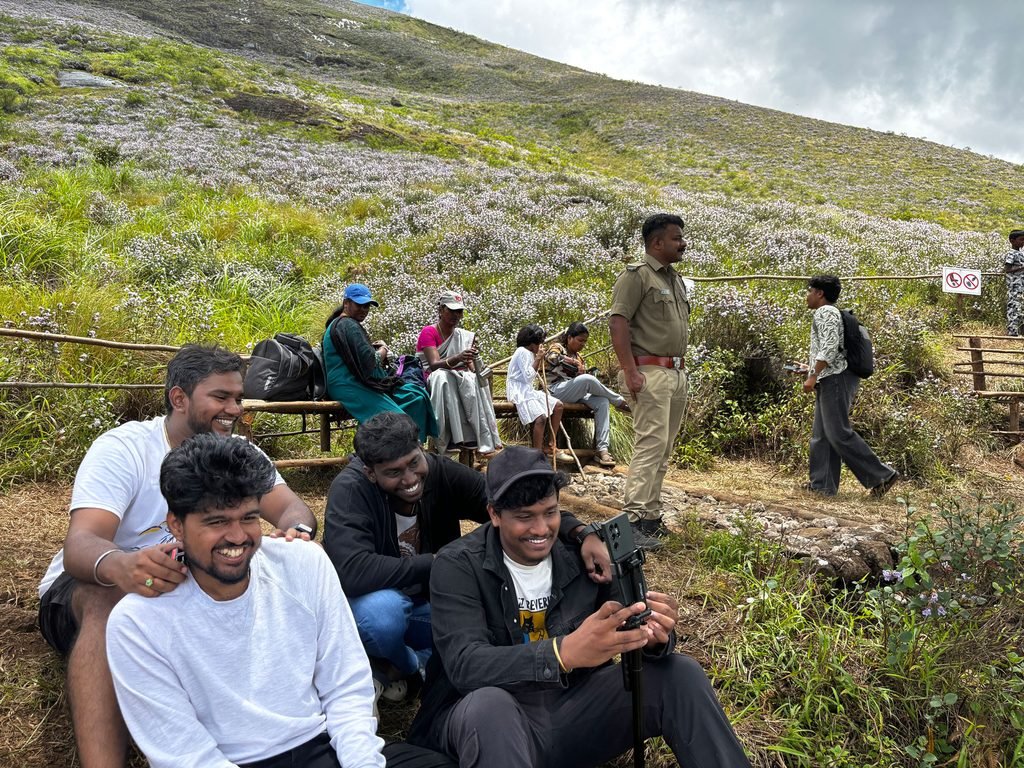
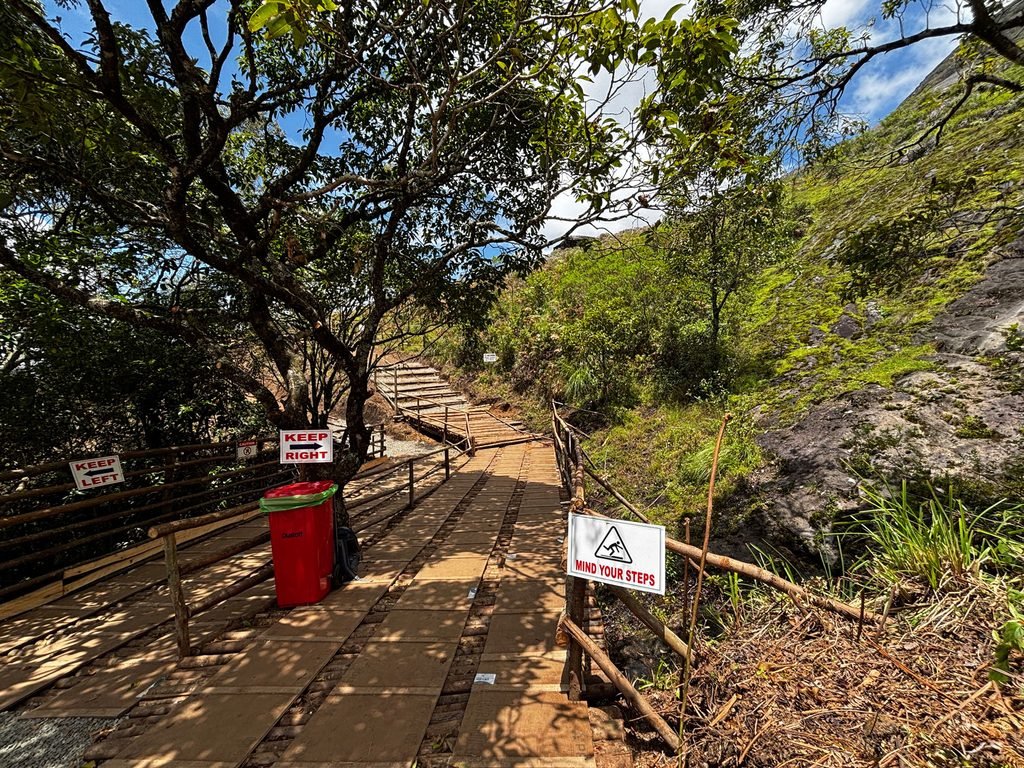
- Organized Eco-Trails: To mitigate untamed tourist incursions, the KDHP established a monitored 1.3-kilometer trekking route at Korandakad, accessed via official shuttles and digital registration.
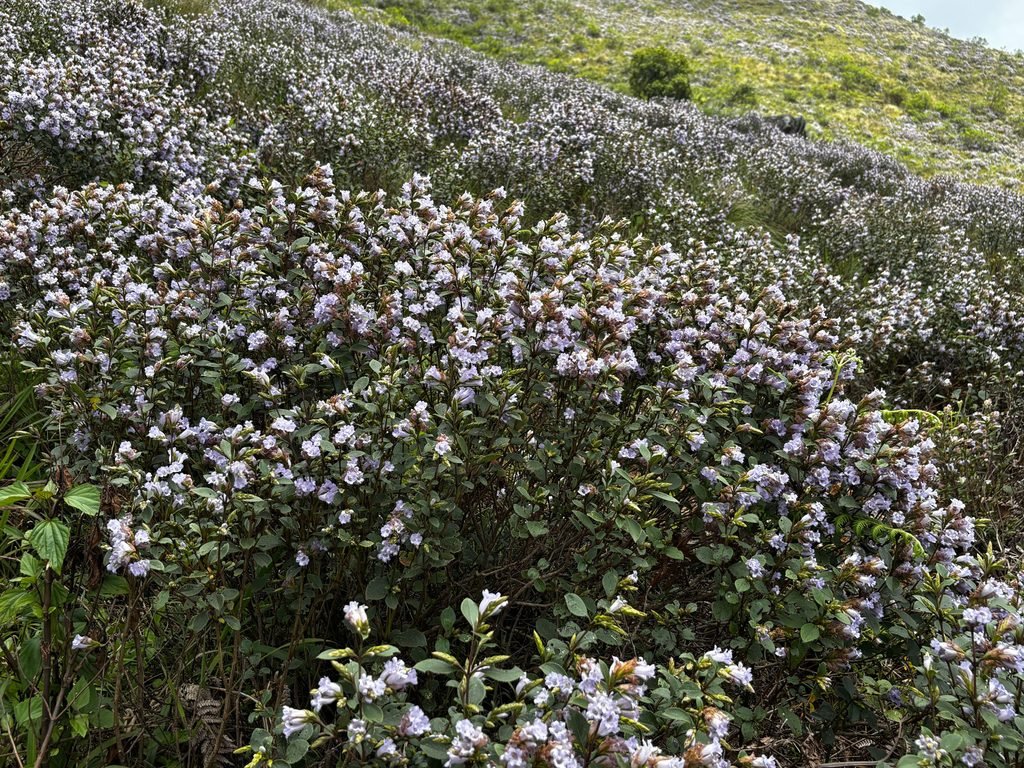
The sweeping bloom across these undulating slopes offers field photojournalists, syndication desks, and visiting ecologists rare, high-contrast imagery: sea-of-violet hillsides colliding against steep granite precipices.
Botanical Rarity: The Plietesial Life Cycle
Strobilanthes kunthiana is an extraordinary member of the Acanthaceae family, characterized by a plietesial habit. The shrub persists in an exclusively vegetative state for nearly twelve years before engaging in synchronous, mass flowering.
Once pollination occurs, the plant commits its full biological reserves into generating viable seeds, after which the entire parent crop dies. The shed seeds embed into the montane topsoil, lying dormant through seasonal monsoons and frost until the cycle resumes.
അനുബന്ധ വാർത്തകൾ


As noted by botanist and Neelakurinji specialist Dr. Jomy Augustine, any human-induced damage to the flowering shrubs breaks this reproductive pipeline permanently: if the current crop is trampled or stripped prior to seed maturation, localized colonies will fail to reappear twelve years hence.
THE 12-YEAR PLIETESIAL CYCLE
[Vegetative Maturation (11 Years)] ──► [Mass Flowering (Year 12)]
▲ │
│ ▼
[Dormant Seed Germination] ◄──── [Parent Plant Dies Post-Seeding]
Heritage, Sangam Lore, and the ‘Kurinjithen’ Harvest
The ecological significance of Neelakurinji is entwined with ancient indigenous traditions and early Western documentation:
- The Living Calendar: In Tamil Sangam literature dating back to the 1st century, the shrub gave its name to the montane mountainous landscape (Kurinji thinai). For indigenous communities like the Muthuvans and Paliyans, the synchronized twelve-year flowering historically functioned as an unwritten biological calendar to measure age and seasonal transitions.
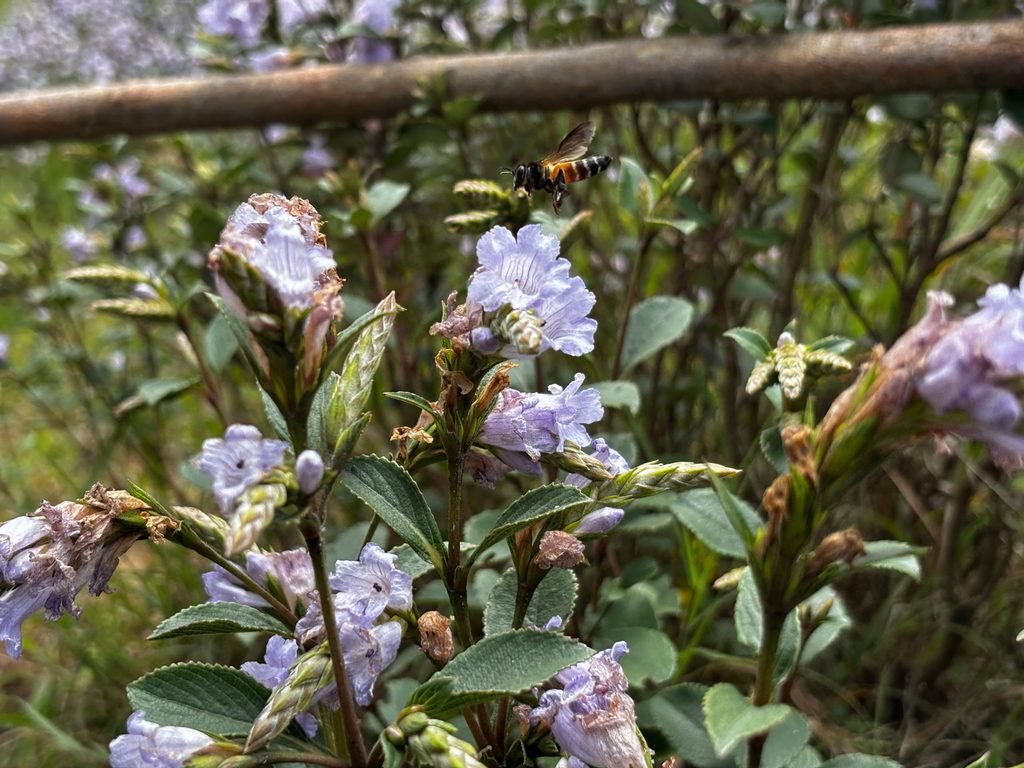
- Medicinal Bioprospecting & Kurinjithen: The profusion of blossoms fuels an influx of wild honeybees, producing Kurinjithen—a rare, dark honey traditionally revered by forest communities for perceived cardiovascular and systemic benefits. Modern pharmacognosy continues to evaluate the genus for bioactive, anti-inflammatory, and antioxidant properties.
- European Chronology: Archival field notes compiled by M. E. Robinson in the Journal of the Bombay Natural History Society track observations by European settlers in the Nilgiris as far back as 1826, documenting subsequent cycles in 1838, 1850, and continuing systematically into the modern era.
Habitat Pressures: NGT Directives and Conservation Challenges
The visual grandeur of the 2026 bloom contrasts sharply with severe environmental degradation. First evaluated on the IUCN Red List of Threatened Species in 2024 as a threatened species, the plant’s survival is jeopardized by long-term habitat loss:
- Ecosystem Fragmentation: Colonial conversion of native high-altitude grasslands—historically dismissed as unproductive “wastelands”—into mono-crop tea estates and alien timber plantations (Eucalyptus and Acacia mearnsii) heavily fractured the fragile shola-grassland mosaic.
- Invasive Displacement: Aggressive exotic weeds, particularly Pteridium aquilinum and Ageratina adenophora, outcompete juvenile Strobilanthes seedlings for soil nutrients and light.
- Tourism Trampling: Following suo motu proceedings, the National Green Tribunal (NGT) and the Union Ministry of Environment, Forest and Climate Change directed Southern states to enforce annual conservation plans to curtail severe soil compaction and microhabitat destruction caused by uncontrolled influxes of spectators.
Strict Enforcement: Arrests Under the Wildlife Protection Act
With thousands descending upon the Idukki hill stations, authorities have intensified field surveillance. On September 5, 2026, the Kerala Forest Department booked two individuals under the Devikulam and Munnar forest ranges for uprooting and vandalizing flowering shrubs for social media display. Neelakurinji Bloom Munnar 2026
Munnar Divisional Forest Officer (DFO) Abhay Yadav warned that Strobilanthes kunthiana is a scheduled species under the Wildlife Protection Act. The law prescribes severe criminal penalties:
- Imprisonment terms extending up to three years
- Punitive fines of up to ₹25,000, or both
Patrols have been deployed throughout Chokramudi and adjacent ridge corridors to intercept off-trail trespassing.
Global Editorial and Syndication Significance
For photo editors, conservation agencies, and media libraries, the 2026 Munnar bloom represents more than a fleeting travel visual. It documents an increasingly fragile biodiversity hotspot undergoing structural climate and anthropogenic stress. The high-altitude purple ridges stand as a critical reminder: without rigorous grassland conservation, this two-century-old recorded natural rhythm faces the silent threat of permanent regional collapse.
Editorial Media Wire & Image Syndication Catalogue
To Editorial Desks, Photo Editors & Publishing Houses:
High-resolution original files (full metadata, IPTC compliant) along with commercial rights and editorial licensing are exclusively available for the following field documentation by Shanavas Karimattam:
- REF: CTN-NK-01 — neelakurinji-bloom-munnar-2026-strobilanthes-kunthiana-korandakad-shanavas-karimattam-01.jpg
- REF: CTN-NK-02 — munnar-neelakurinji-mass-bloom-Korandakad-landscape-2026-shanavas-karimattam-02.jpg
- REF: CTN-NK-03 — strobilanthes-kunthiana-botanical-macro-neelakurinji-munnar-shanavas-karimattam-03.jpg
- REF: CTN-NK-04 — kdhp-korandakad-kurinji-trail-trekking-ecotourism-munnar-shanavas-karimattam-04.jpg
- REF: CTN-NK-05 — neelakurinji-habitat-visitors-conservation-munnar-2026-shanavas-karimattam-05.jpg
📰 Editorial Licensing & Syndication
High-resolution images and ground investigation reports from this story are available for editorial syndication to news channels, national dailies, publishing houses, and documentary producers.
(ഈ റിപ്പോർട്ടിലെ എക്സ്ക്ലൂസീവ് ചിത്രങ്ങളും ഉള്ളടക്കങ്ങളും മാധ്യമങ്ങൾക്കും പ്രൊഡക്ഷൻ ഹൗസുകൾക്കും എഡിറ്റോറിയൽ ഉപയോഗത്തിനായി ലൈസൻസ് ചെയ്തു നൽകുന്നു).
👉 Click Here to Request Editorial Licensing & High-Res Photos
✉️ Direct Desk Contact: news@channeltodaynews.com, shanavaskarimattam@live.com